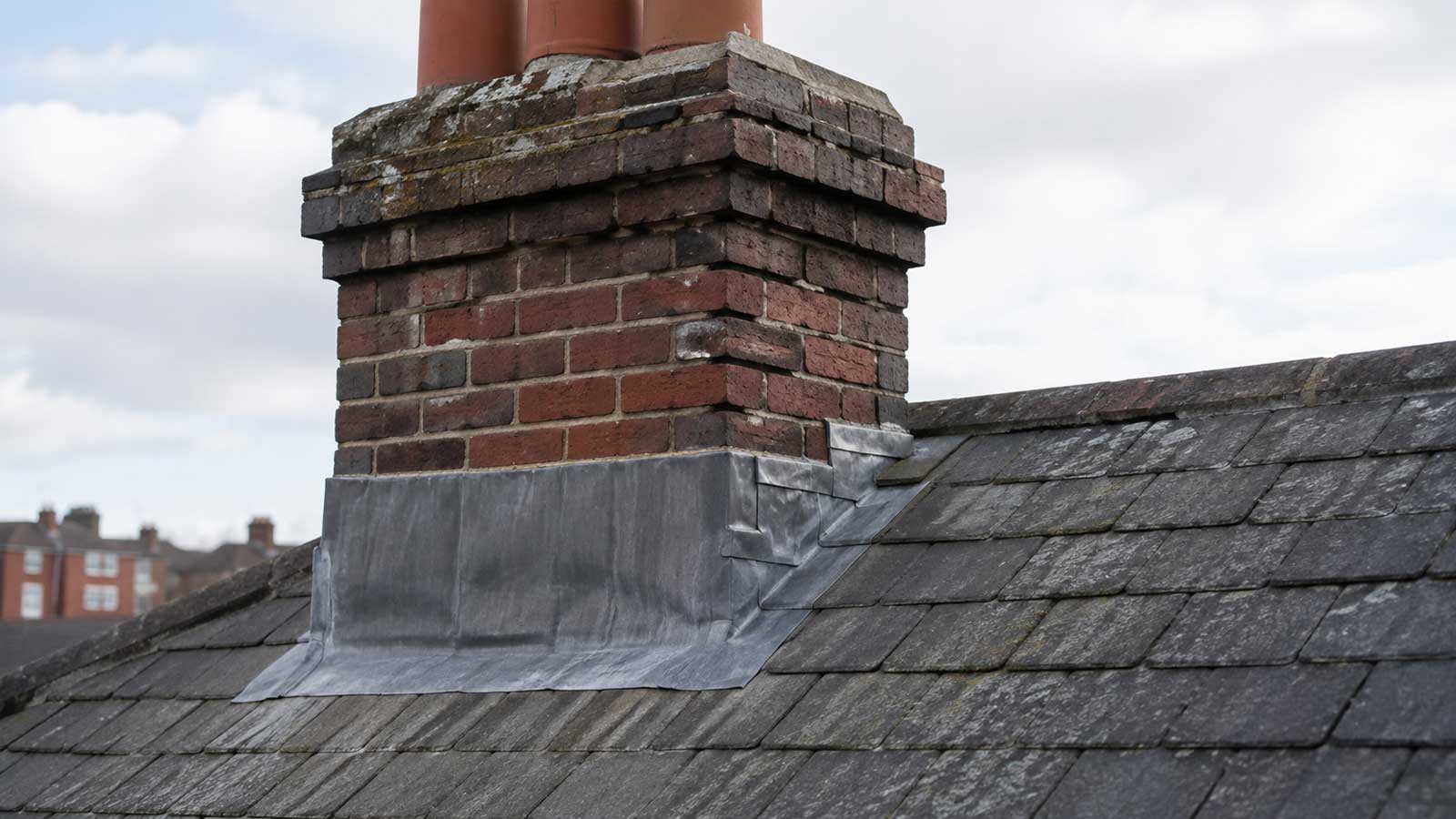
Where the mortar has failed
Look for open joints, detached pieces and sections that move when inspected from safe access. Fine surface crazing is different from a ridge tile that has lost its bed.
At chimneys, pointing between bricks is a separate job from the mortar around pots or the lead flashing chase.
Preparation makes the difference
New mortar needs a clean, stable joint or bed. Pressing a thin skin over weathered loose material may improve appearance for a season and then fall away.
The surrounding tiles or slates also need care during removal of old mortar. Cracking good pieces creates a larger repair.
Photograph the area before work starts if you can do so from a safe position. It gives you something concrete to compare with the finished repair.
Hard mortar on old masonry
Very hard cement-rich mortar can be unsuitable for some older soft brick or stone because it changes how moisture and movement are accommodated. The right mix depends on the masonry and exposure.
This is especially relevant on older chimneys and traditional buildings.
Mechanical systems
If a ridge or verge has been converted to a dry-fix system, adding mortar to it is generally missing the point. Check clips, screws and connectors instead.
Before agreeing to wholesale replacement of sound mortar, ask which sections are loose and whether they can be identified in photographs.
Need somebody to look at the roof?
If you want to ask local contractors about the repair, describe the symptom and include anything you have noticed about the weather or the part of the roof involved.
Request roofing quotesQuote requests are provided by MyJobQuote, an independent third-party service.